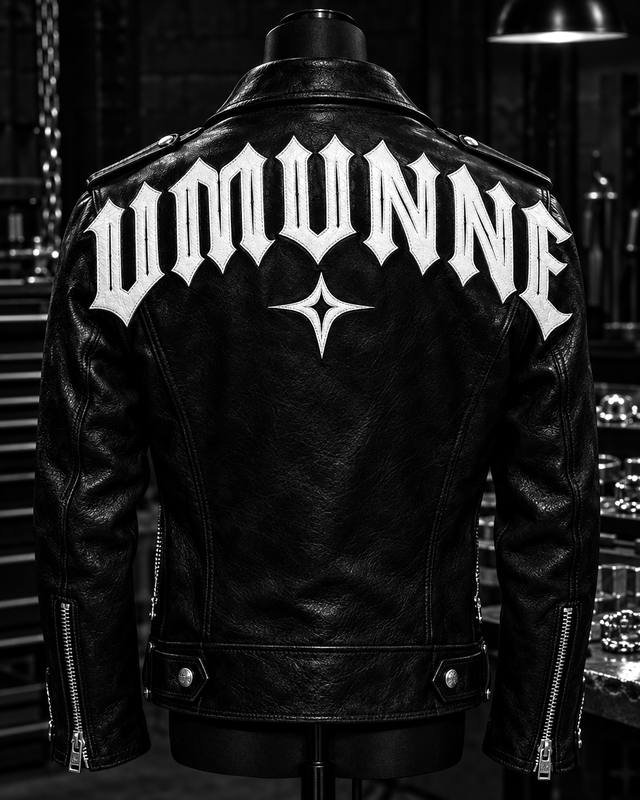
No. 01
Riding Jacket
Black cowhide, cut leather wordmark, sterling silver hardware
Coming soon

Africa is the mother. Every person alive is one of her children. Some of the family stayed. Some walked, and kept walking, until there were people on every continent. Skin changed, languages changed, borders were invented. The mother never changed.
Umunne is for anyone who remembers the house they came from.
The name comes from Igbo, one of the great languages of West Africa. No other word says it so simply: we share a mother, so we are family.
The word is Igbo because the house is African. The door is open because everyone came from it. Worn in Dakar and Nairobi, in Kingston, London and Seoul, by anyone who knows where they come from.
Everyone is from here.
In 1961, miners at Jebel Irhoud in Morocco broke into a cave and found a skull. It took until 2017 to date it properly: about 300,000 years old, the oldest of our kind ever found. Three adults, a teenager and a child, buried with the gazelles they had hunted.
A child. Named by no one. The first name on the family tree.
At Florisbad in South Africa and Omo Kibish in Ethiopia, early members of the family were already spread across the continent. At Blombos Cave, on the Cape coast, someone mixed red ochre paint in abalone shells 100,000 years ago, and 73,000 years ago drew the oldest known drawing on earth: nine red lines on a flake of stone.
The San peoples of southern Africa carry some of the oldest lineages in the human family.
A small band crossed the Red Sea into Arabia and kept going. Earlier groups had reached the Levant, at Skhul and Qafzeh, and died out. This one lasted. Almost everyone alive outside Africa today comes from that single departure.
A few thousand people, at most. Every non-African face on earth began with them.
They followed the coasts of India and South East Asia, then crossed open sea to Australia, the first ocean voyage in human history. At Madjedbebe, on Mirarr country, and at Lake Mungo, where a man was buried with red ochre 42,000 years ago in the oldest known ritual burial.
Aboriginal Australians: the oldest continuous living culture on earth.
A branch turned west through the Levant into Europe, and met the cold. At Bacho Kiro cave in Bulgaria, a tooth and six bone fragments from about 45,000 years ago are the oldest directly dated members of our family in Europe. Their tools link them to finds as far east as Mongolia, and their DNA shows they had Neanderthal ancestors.
Neanderthals had been in Europe for 400,000 years. The family met them, and mixed.
Others pushed north across Asia and into Siberia, to the edge of the ice. A boy buried near Lake Baikal about 24,000 years ago, at Mal'ta, carried DNA that would later show up in Native Americans and in Europeans alike.
One boy in the snow, linked to two continents.
Over a land bridge where the Bering Strait is now, then south through two continents. Footprints at White Sands, New Mexico, may be 21,000 to 23,000 years old, many of them left by children. At Monte Verde in Chile, a settlement stood by 14,500 years ago. The road ended in Patagonia.
The last stop was 20,000 kilometres from the first. Same family, the whole way.
We all left.
Nobody left the family.
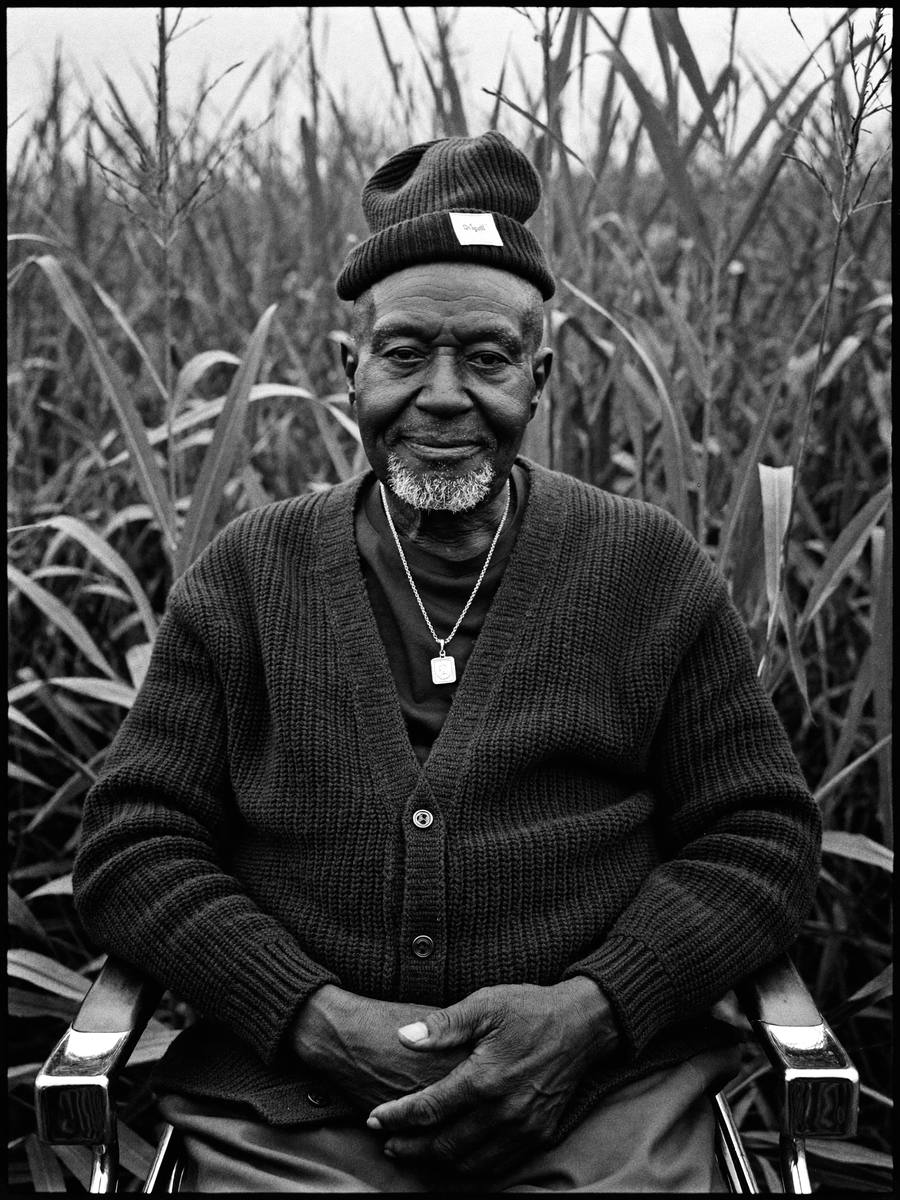
Before anyone called it a brand, the elders held the family together. They crossed seas, raised children in cold cities, sent money home and kept the stories alive.
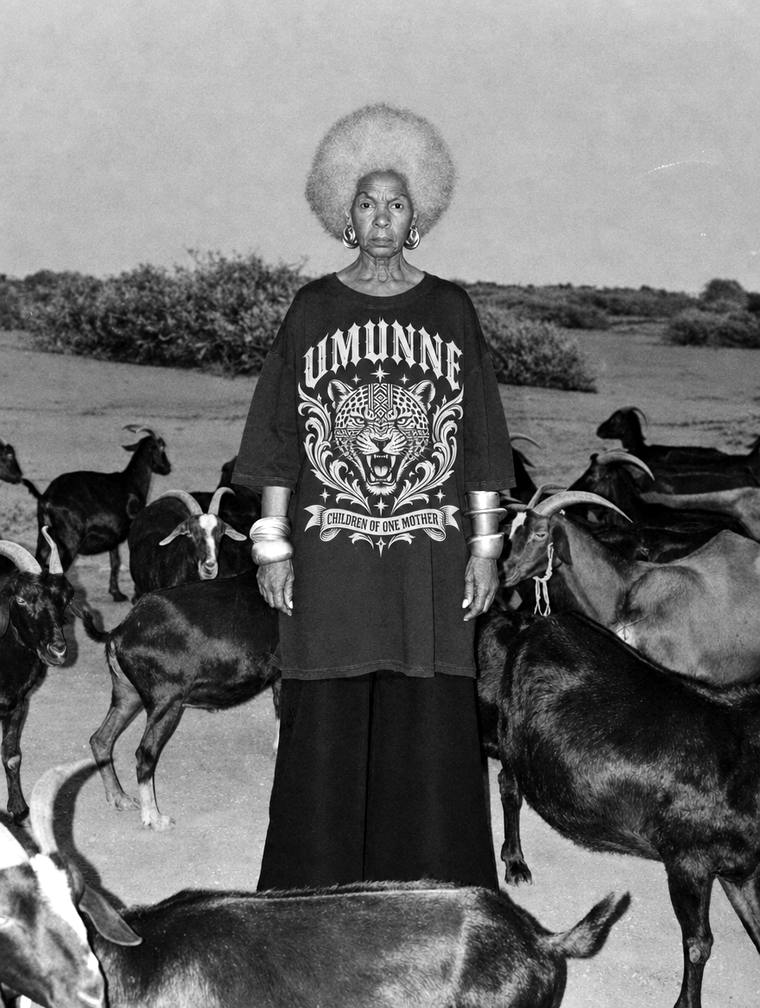
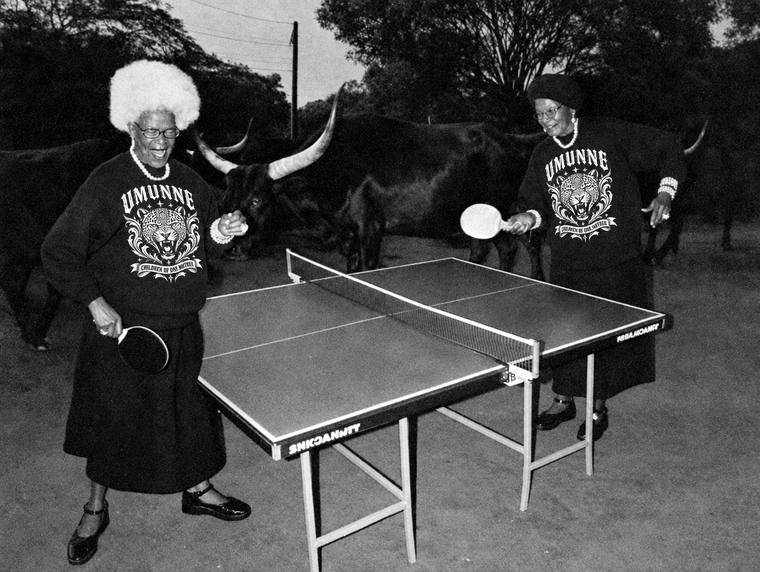
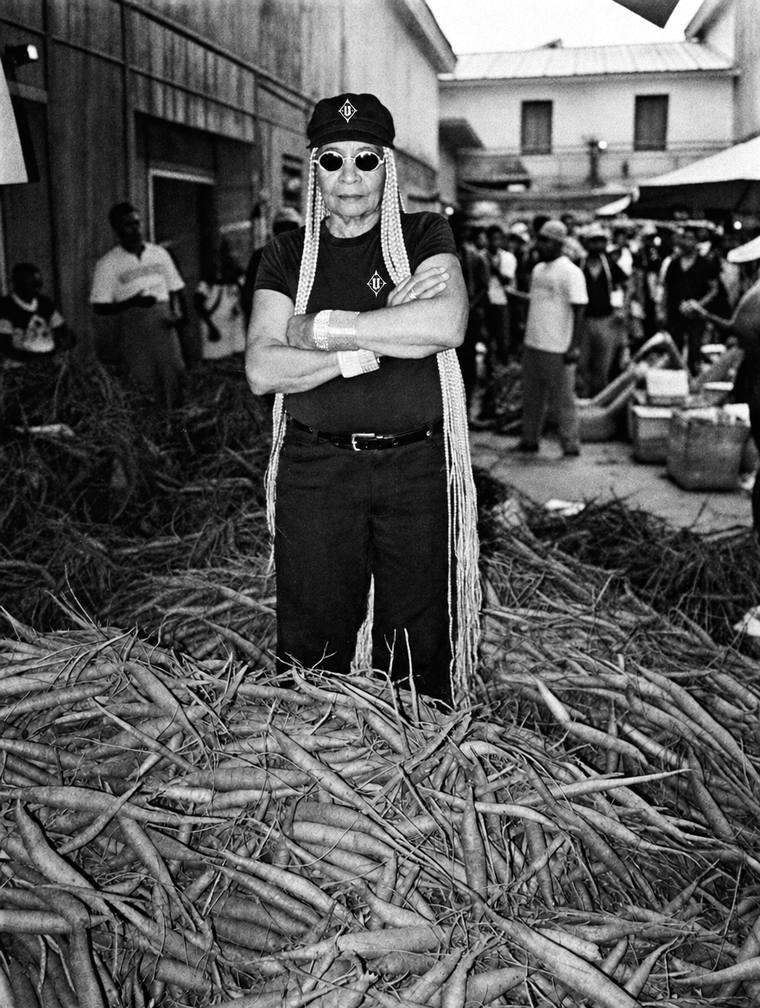
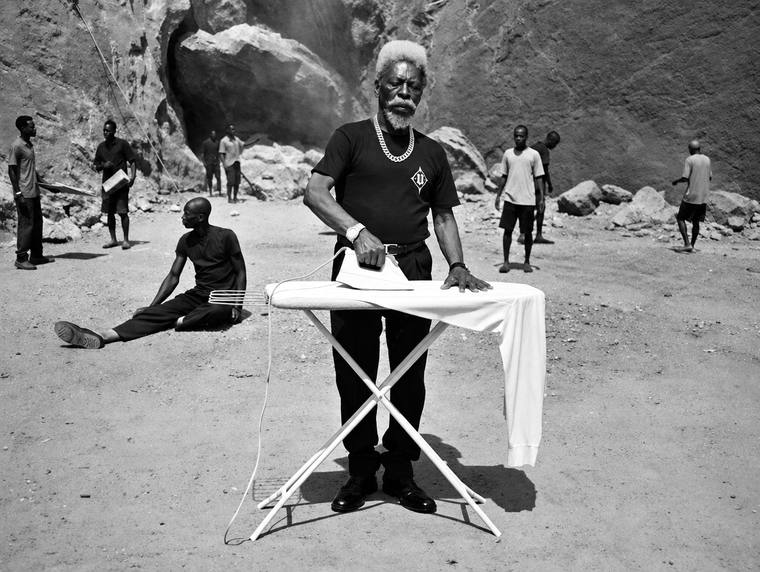
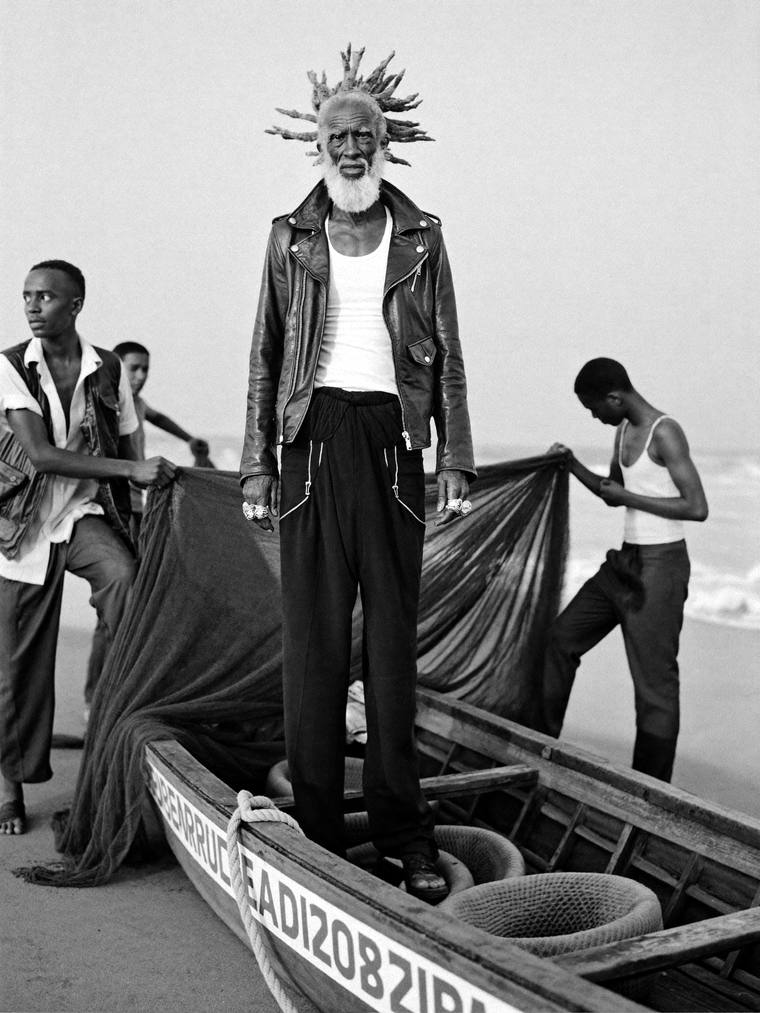
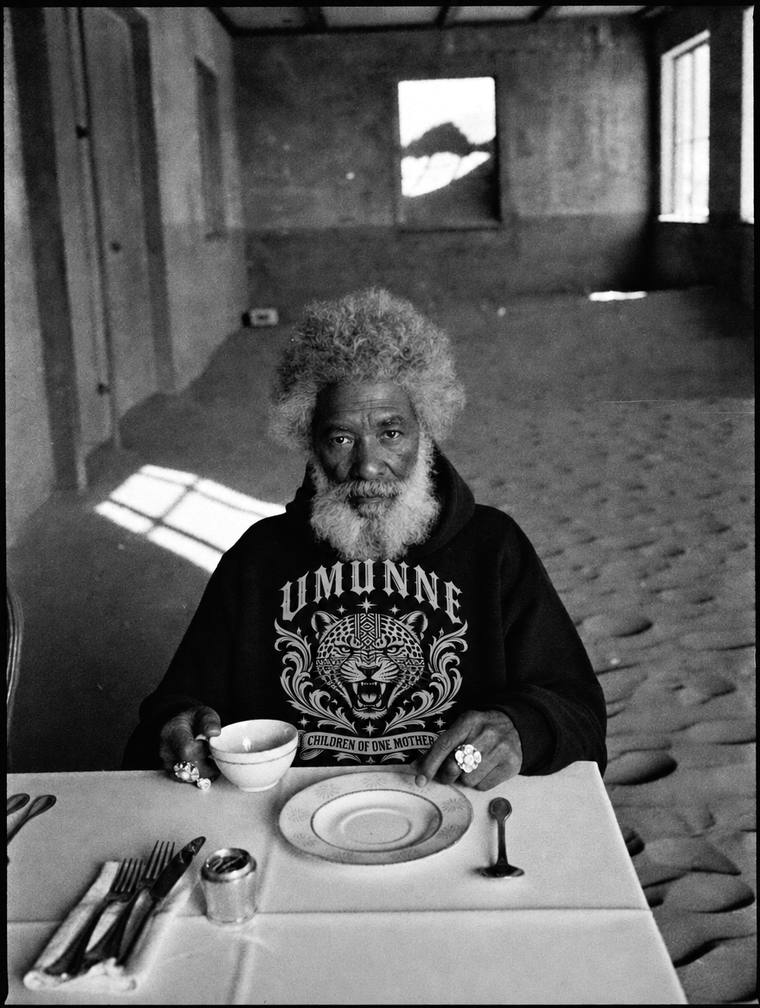
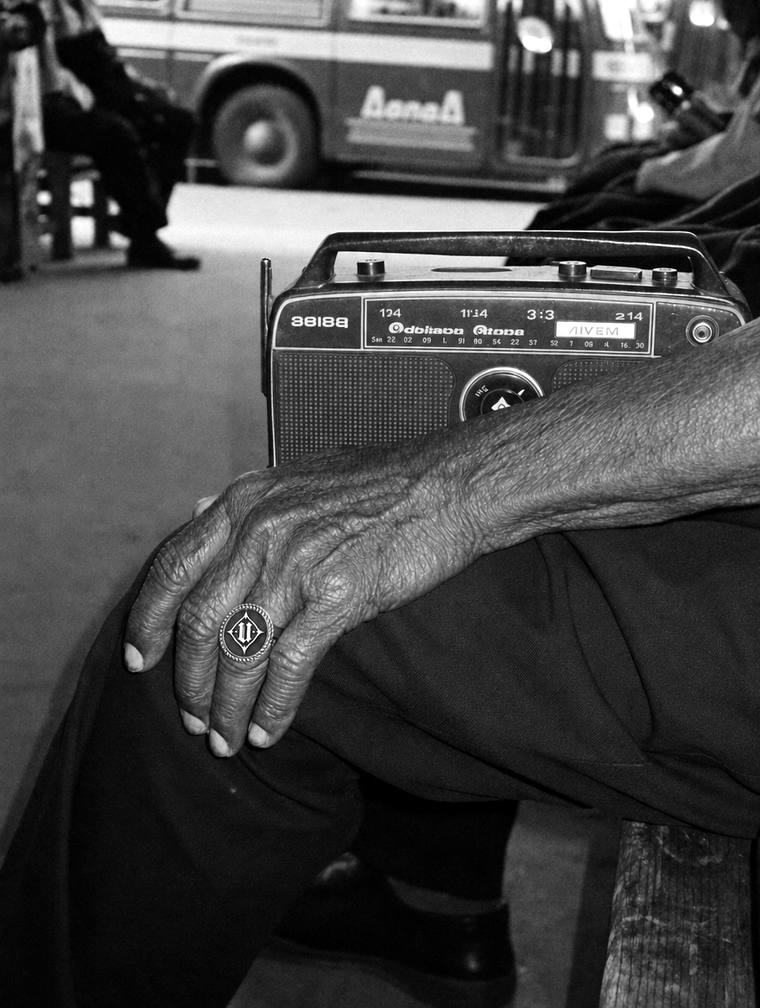
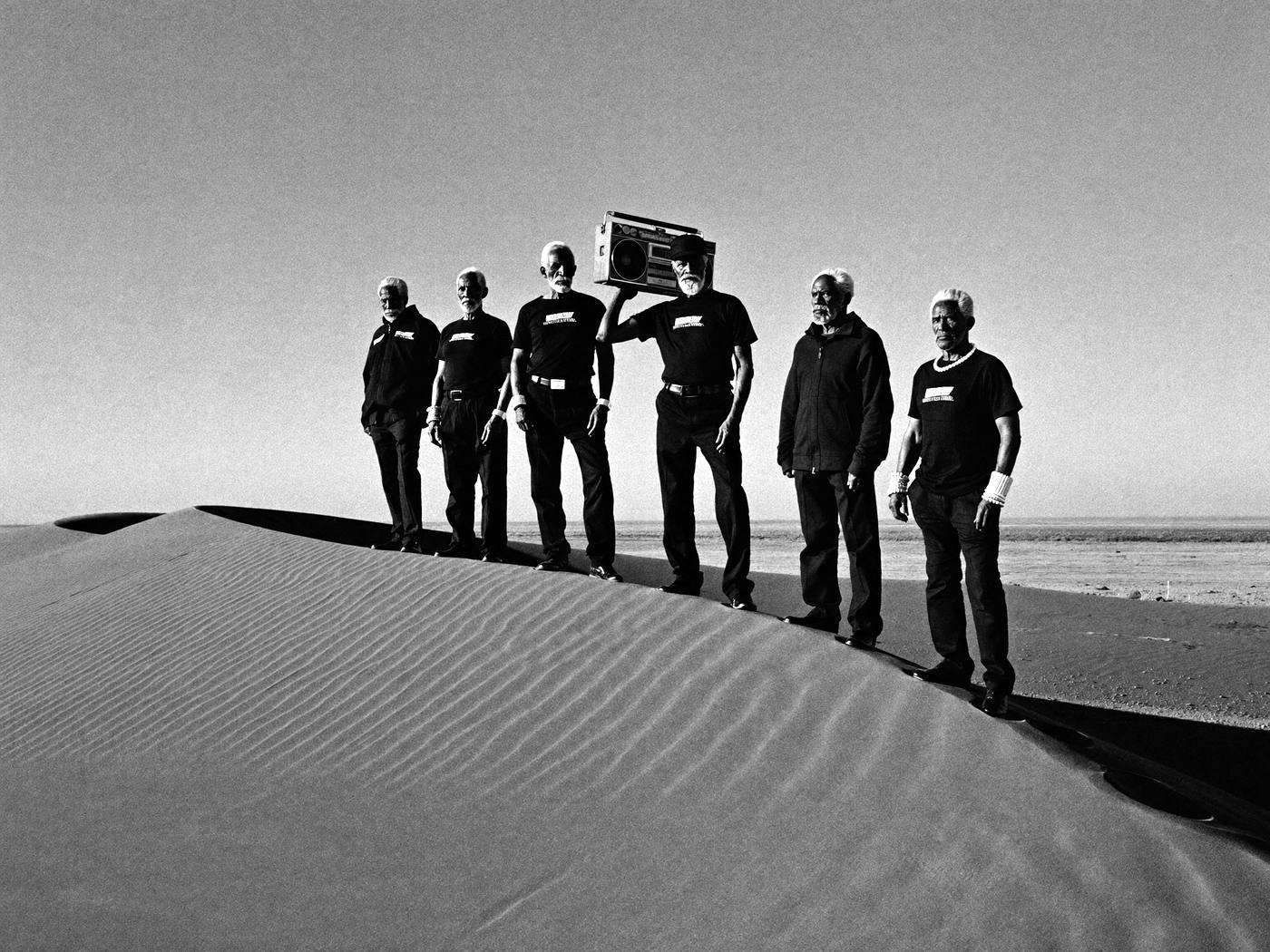
Umunne dresses them first. Grey hair, silver rings, nothing to prove.
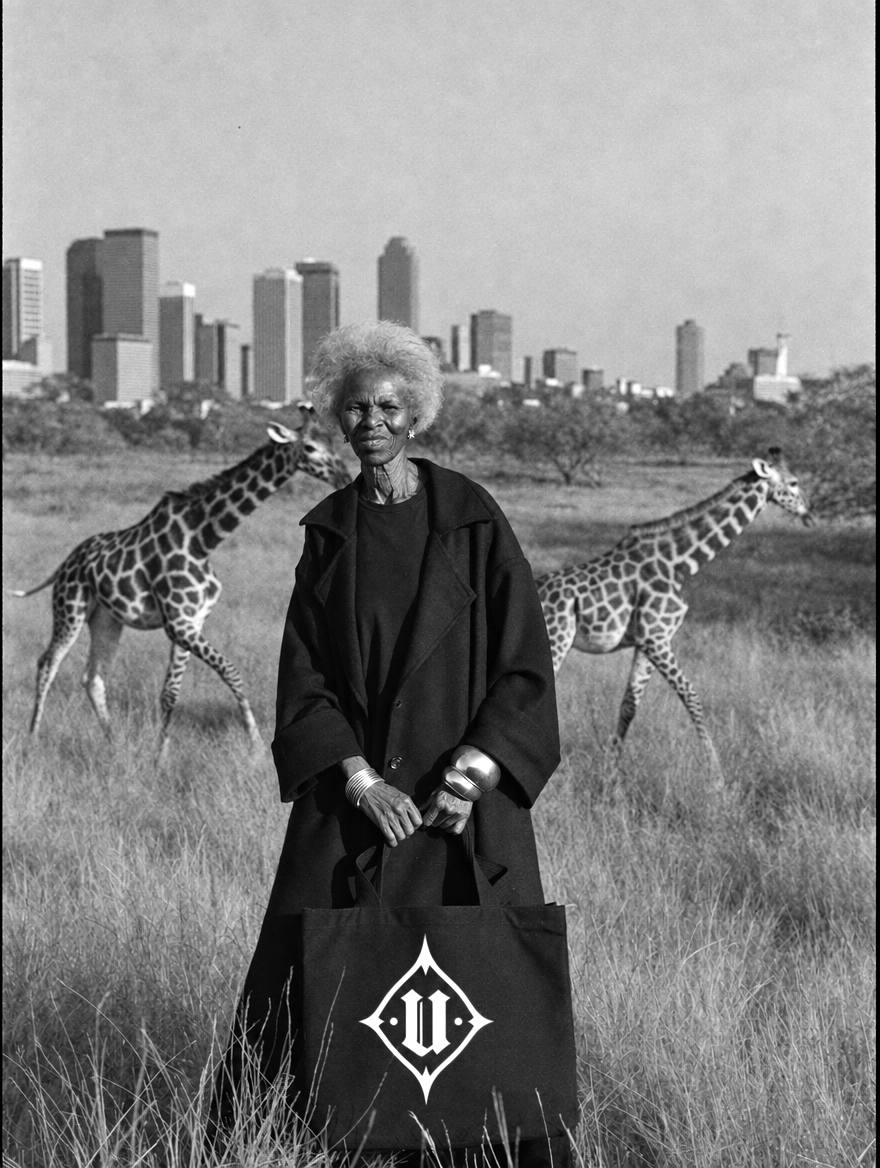
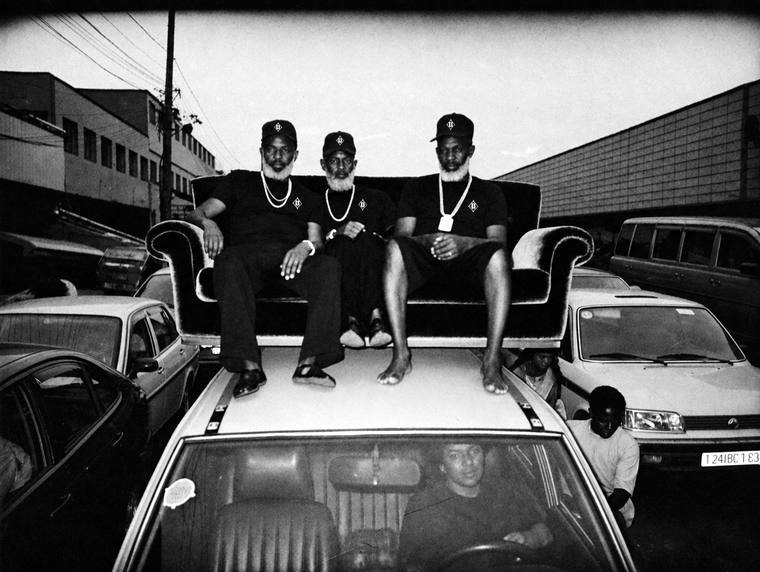
A salt lake in Senegal. A bus roof in Lagos traffic. A goat herd in Kenya. The clothes are sharp and the places never asked for them.
That tension is the point. The brand belongs at home, wherever home is.
Different roads.
Same beginning.
Ten countries. The elders, dressed for somewhere important. Scroll across.
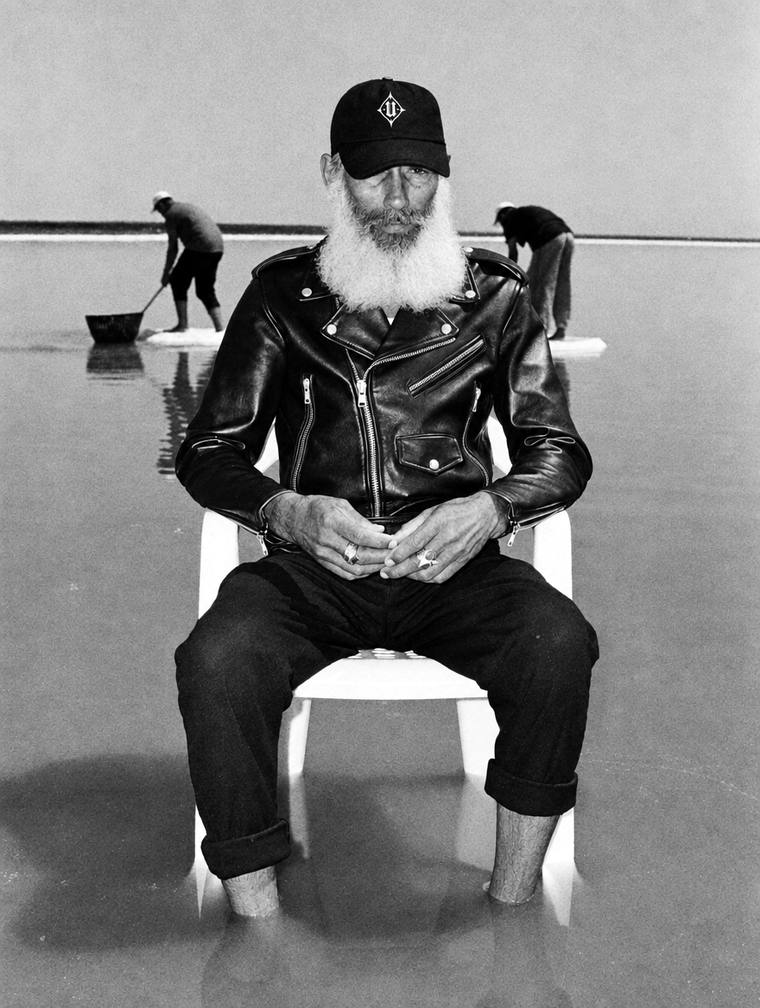
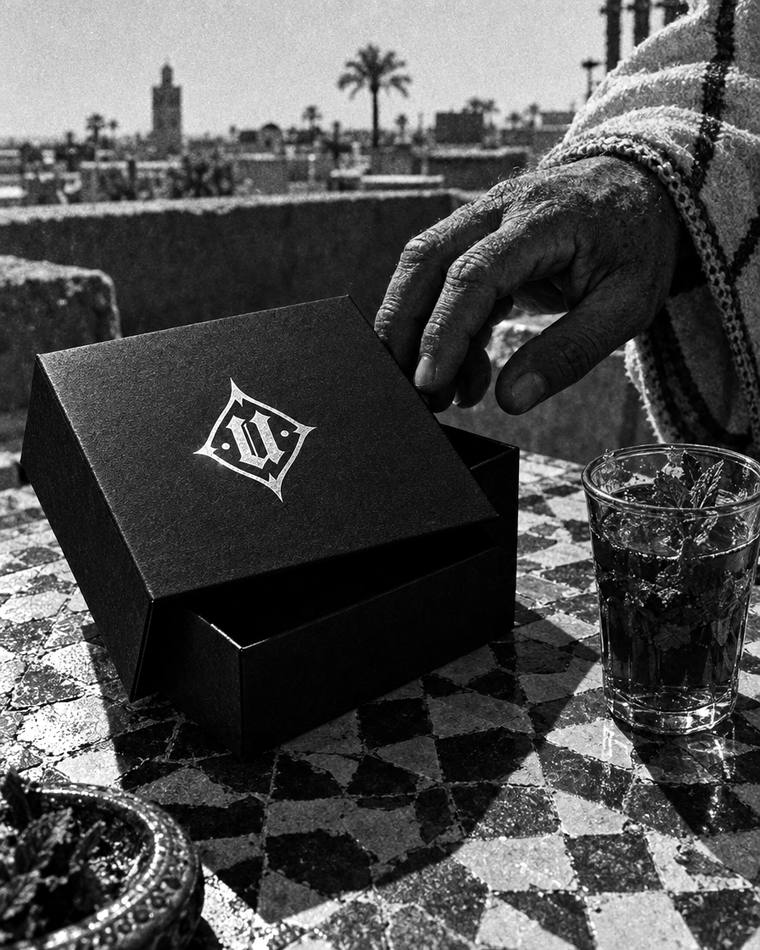
Heavyweight cotton, black leather and sterling silver. Small numbered drops. When it sells out, it is gone.
Black cowhide, cut leather wordmark, sterling silver hardware
Coming soon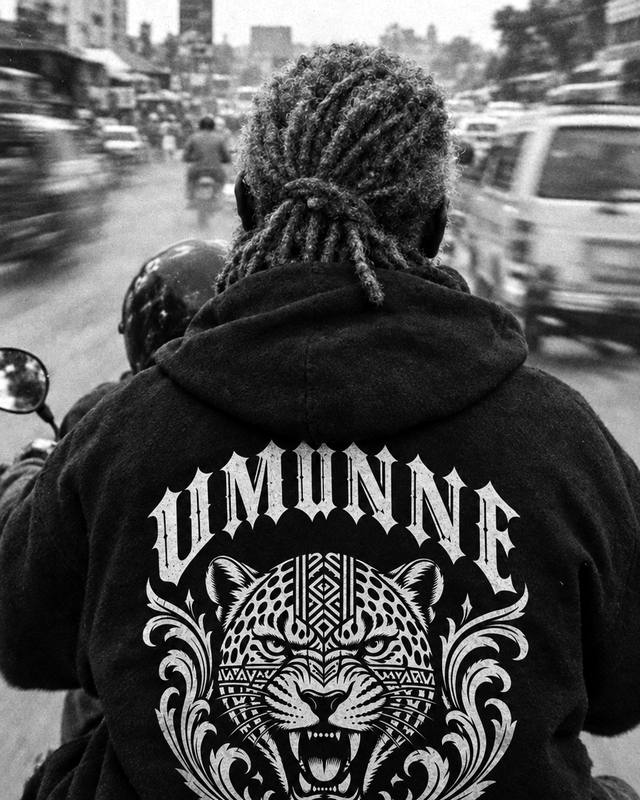
Heavyweight black cotton, leopard artwork on the back
Coming soon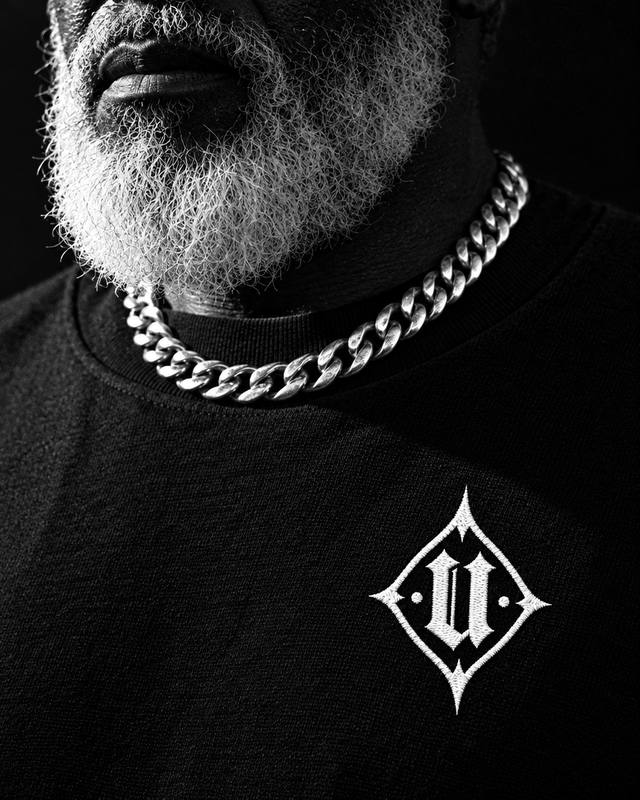
Heavyweight black cotton, embroidered U
Coming soon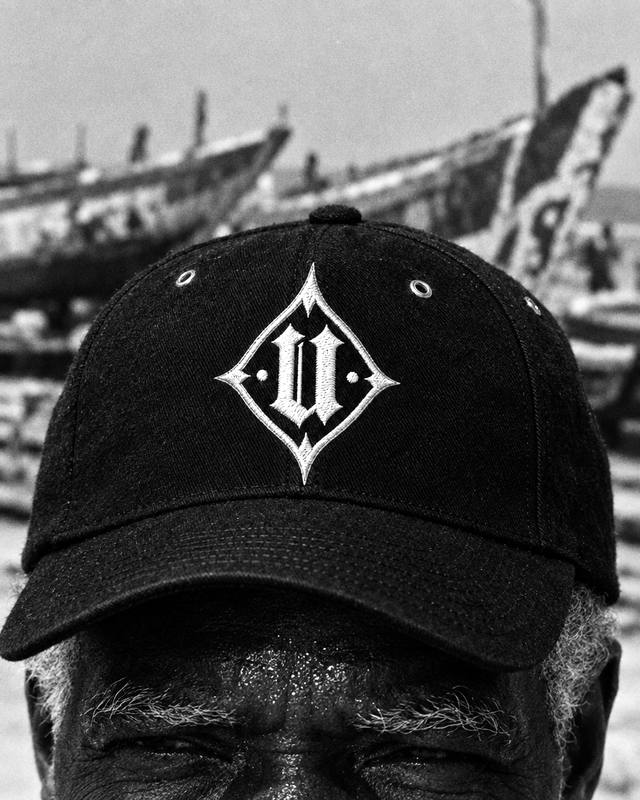
Six-panel twill, white U with silver outline
Coming soon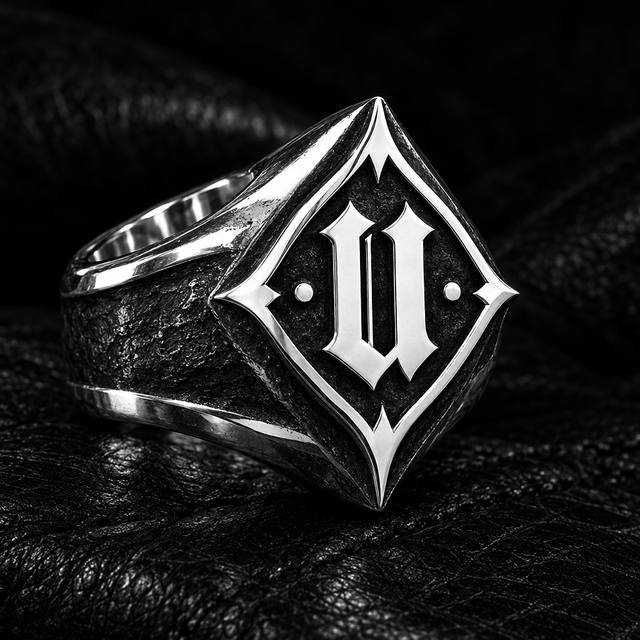
Sterling silver, oxidised and hand polished
Coming soon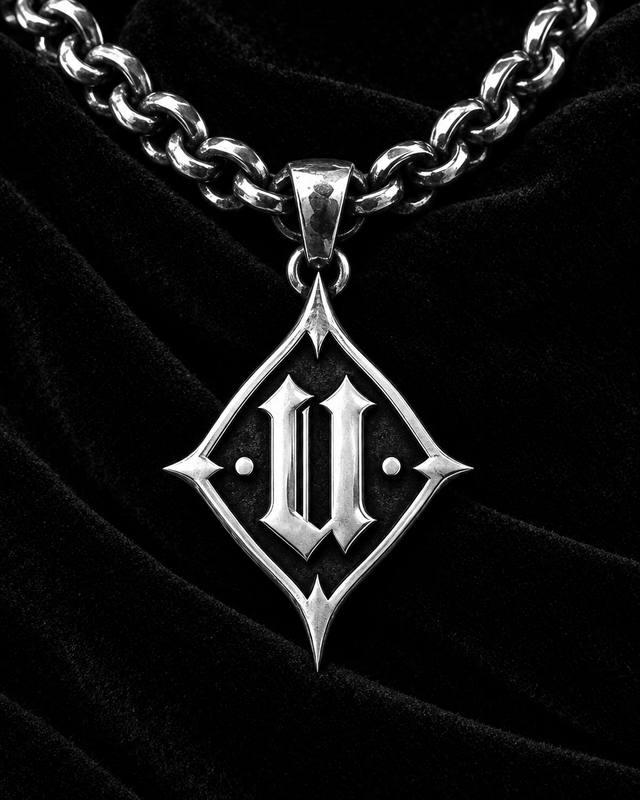
Sterling silver on a hand-linked chain
Coming soon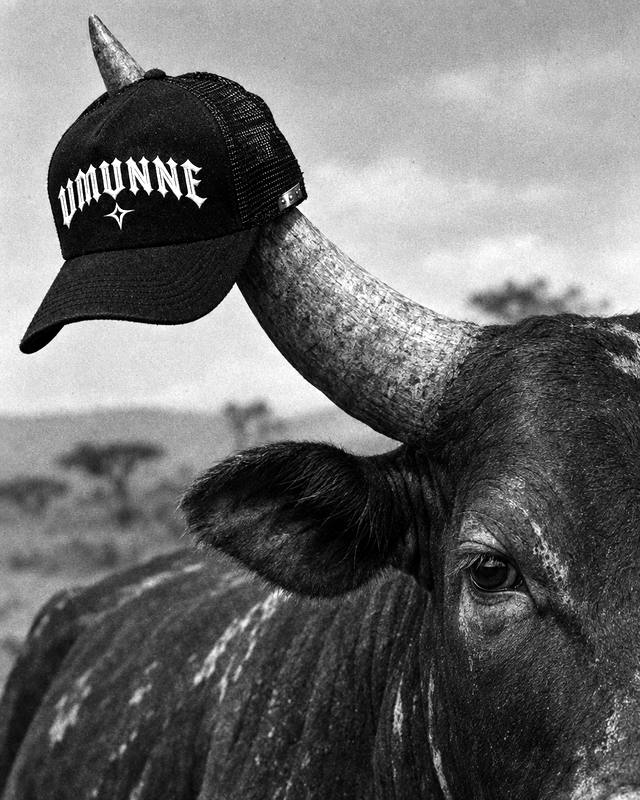
Wordmark in white thread
Coming soon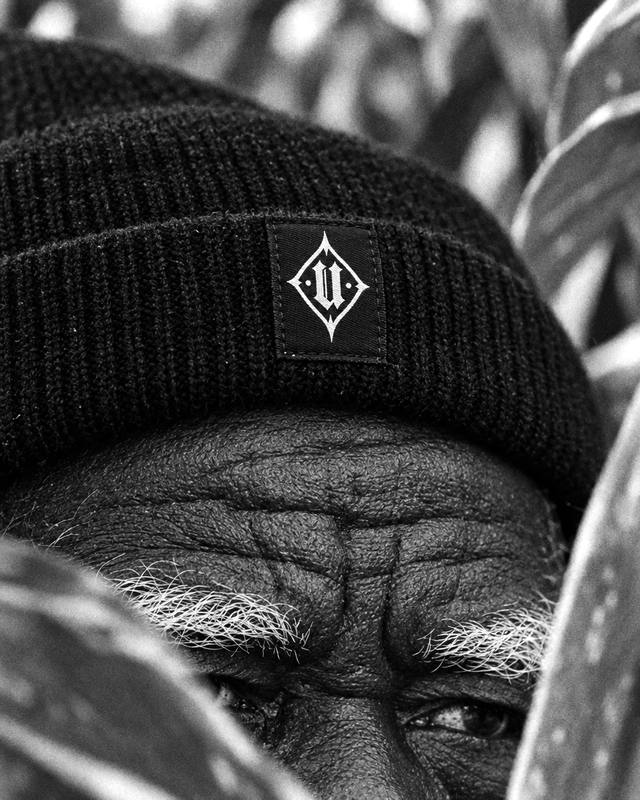
Ribbed black knit, woven U tab
Coming soon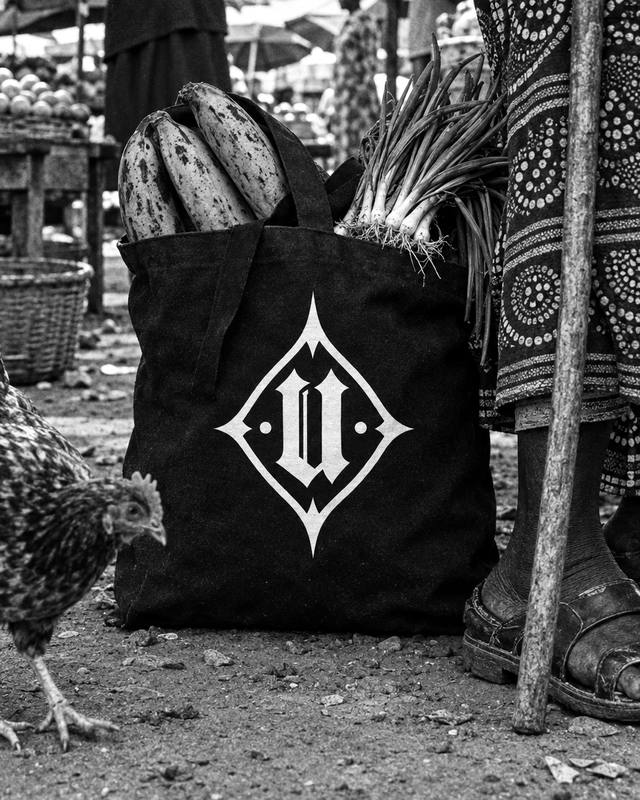
Heavy black canvas, large U print
Coming soonEvery decision asks one question. Does it honour the family?
Heavy cotton, real leather, real silver. Pieces to pass down.
Small numbered drops. Never restocked.
No sales, no codes. The price is the price.
The first pieces go to respected people in the community.
In ten years, Umunne is the name the African family trusts with its heirlooms. A ring handed from grandfather to grandson. A jacket worn in Lagos and London.
Leopard hoodies given to respected elders. Nothing sold.
Numbered tees, hoodies and caps. Sold direct, never restocked.
The U ring and pendant, hallmarked in the UK.
The riding jacket, and pop-ups in London and African cities.
A permanent Umunne house, by appointment.
You are not a guest.
You are family that went far.

The first drop is small. Send us one email and you are on the list before anyone else.
Or write to info@mensahlabs.io with the subject "Join the Umunne family". The family hears first.